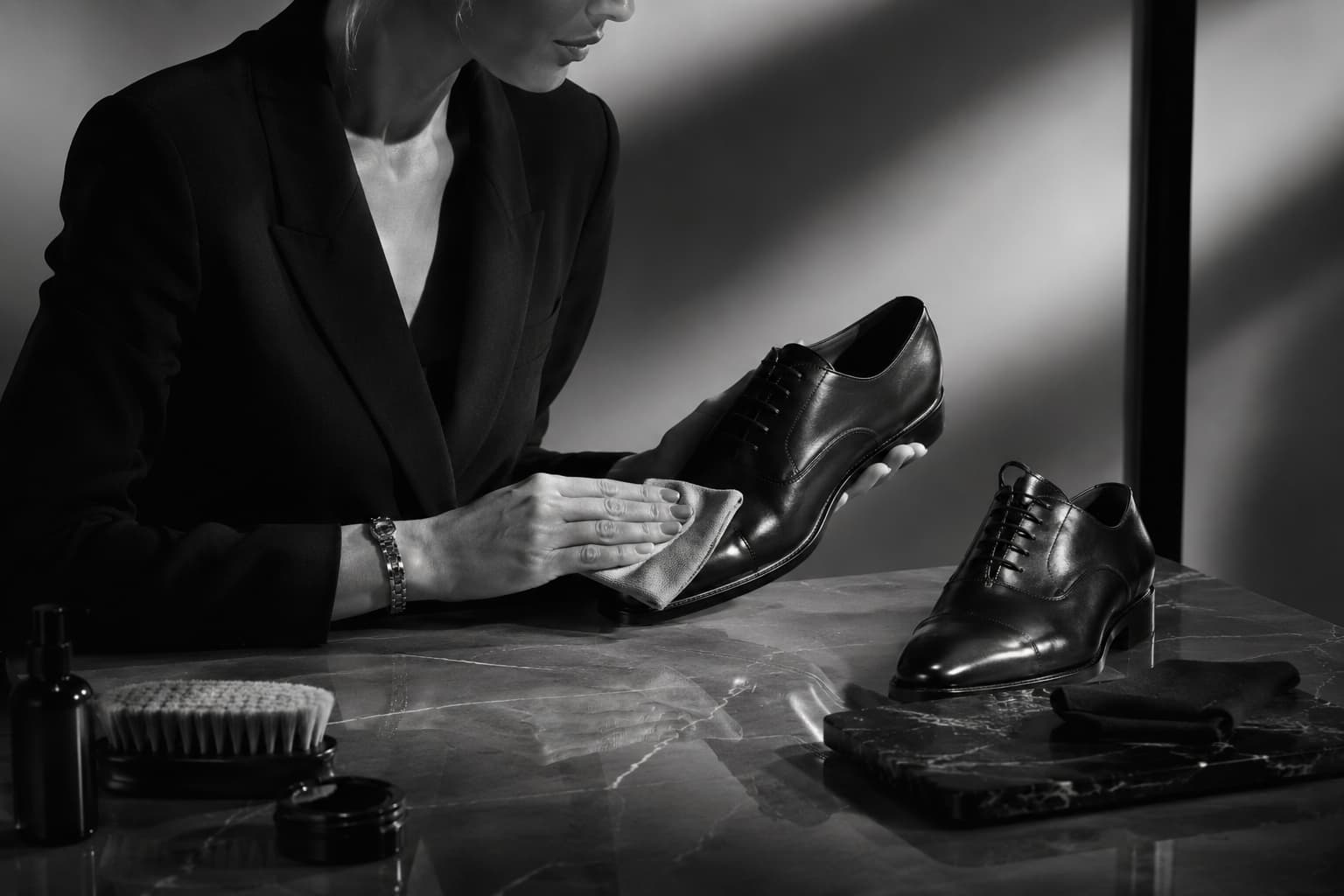
Natural shoe cleaning helps you refresh footwear without relying on harsh methods that may damage materials. Shoes collect dirt, sweat, odor, and moisture from daily use. When care is delayed, small problems become harder to manage. A natural routine focuses on gentle cleaning, better drying, and smart deodorizing. It can help keep sneakers, flats, casual shoes, and some boots fresher between deeper cleanings. The goal is not to make every pair look brand new. It is to keep them wearable, pleasant, and better maintained. A practical shoe care checklist makes the process easier to follow.
Natural Shoe Cleaning helps because many odor and freshness problems come from daily buildup. A gentle home shoe care method can remove light dirt and reduce trapped smells without overworking the material. Simple tools like soft cloths, brushes, mild soap, baking soda pouches, and clean airflow can make a difference. Odor-Free Shoes Checklist | Easy Guide on How to Remove Odor from Shoes Naturally | Printable Shoe Care Checklist helps organize those steps into a clear routine. This keeps care consistent and reduces guesswork.
Natural Shoe Cleaning should start by sorting shoes by material and condition. Canvas, leather, suede, mesh, and synthetic shoes all need different care. A reliable shoe cleaning routine prevents you from using one method on every pair. Remove laces when possible and check insoles separately. Brush away loose dirt before adding moisture. This protects the shoe from unnecessary rubbing. Sorting also helps you decide which shoes need light refreshing and which need deeper attention. Good cleaning begins before any product touches the shoe.
Insoles and laces often hold more odor than the outer shoe. A practical insole refresh method can improve freshness quickly. Remove insoles and let them air out fully. Some can be wiped gently, while others may need replacement. Laces can often be washed separately and dried before being returned. This small step makes the whole shoe feel cleaner. It also avoids soaking materials that should stay dry. A targeted approach is usually safer than treating the entire shoe aggressively.
Natural Shoe Cleaning works best when odor control is part of the plan. Use moisture-absorbing options after shoes dry, not while they are still wet. A simple natural deodorizing method can include cedar, charcoal, or baking soda pouches. Avoid dumping loose powder into delicate shoes because it can leave residue. Keep the routine clean and manageable. Odor control should support shoe health, not create more cleanup. Freshness improves when cleaning, drying, and storage all work together.
Natural Shoe Cleaning can go wrong when shoes are soaked, overheated, or scrubbed too hard. Heat may warp soles, stiffen leather, or weaken glue. Too much water can damage suede and some linings. A careful gentle shoe maintenance habit protects the shoe while improving freshness. Use mild methods first. Let shoes dry naturally with airflow. Avoid rushing the process. Shoes are easier to maintain when you treat them regularly instead of waiting until they need dramatic rescue.
The best cleaning routine is simple enough to repeat weekly or biweekly. Brush, air, refresh insoles, add natural odor control, and store shoes properly. For odor-specific steps, read the Remove Shoe Odor Naturally article. For long-term freshness, continue with the Odor-Free Shoe Care article. Odor-Free Shoes Checklist | Easy Guide on How to Remove Odor from Shoes Naturally | Printable Shoe Care Checklist helps make natural shoe cleaning practical, gentle, and easier to maintain.



Leave a comment
You must be logged in to post a comment.