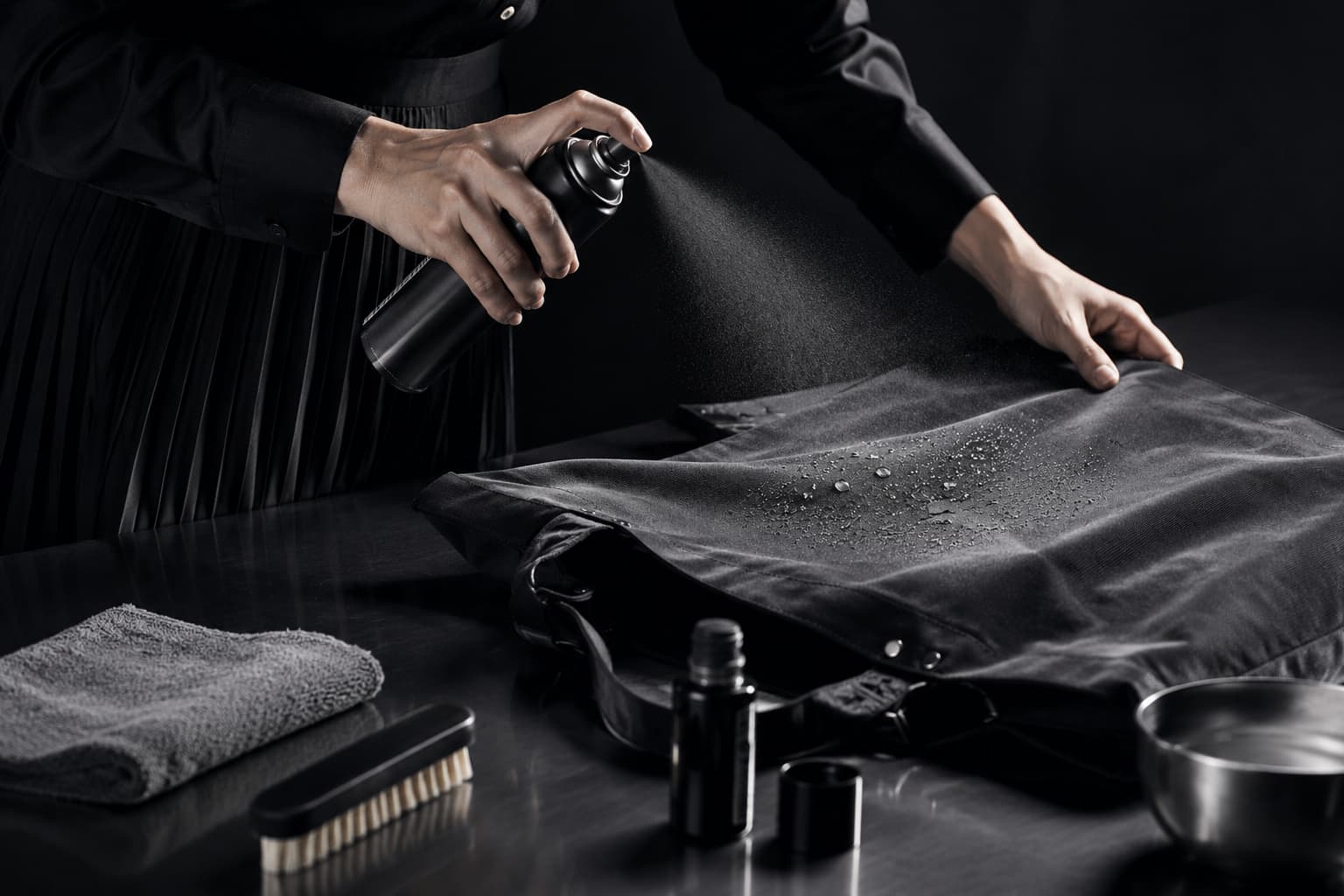
Waterproof fabric at home by choosing the right method for the fabric, purpose, and level of protection you need. Not every material should be treated the same way. Outdoor cushions, tote bags, jackets, table linens, and craft fabrics may all respond differently. A good waterproofing plan starts with cleaning, testing, applying carefully, and allowing enough drying time. The goal is to protect fabric without ruining texture, color, or flexibility. A practical DIY fabric protection checklist can help you avoid common mistakes and make the process more predictable.
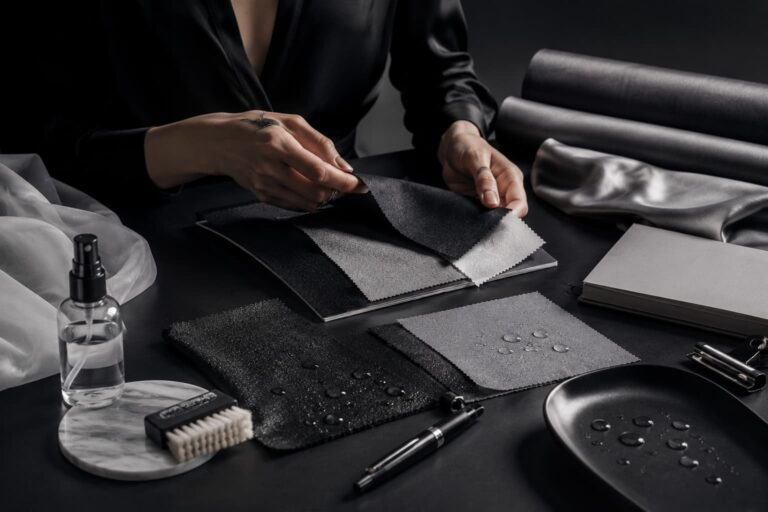
Waterproof Fabric at Home carefully because fabric treatments can change how materials look or feel. Some sprays darken color slightly. Some coatings may stiffen lighter fabrics. A useful fabric waterproofing guide helps you test before treating a full item. Choose a hidden area and apply a small amount first. Wait for it to dry, then check texture and color. The Ultimate DIY Fabric Waterproofing Checklist – How to Waterproof Fabric at Home helps make that preparation easier. Testing protects your project from irreversible results.
Waterproof Fabric at Home only after the surface is clean and dry. Dirt, oil, dust, and detergent residue can interfere with treatment. A practical fabric prep routine helps the waterproofing layer attach more evenly. Wash or wipe the fabric according to its care instructions. Let it dry completely before applying anything. Moisture trapped beneath a treatment can cause uneven coverage. Clean preparation may feel boring, but it decides the final result. Better prep leads to better protection.
Different projects need different methods. Spray treatments work well for many finished items. Wax may suit canvas, bags, and rugged fabrics. Wash-in products may work for certain garments. A helpful textile care method compares fabric type, use, and desired finish before choosing. A delicate table runner needs a different approach than outdoor fabric. A jacket needs flexibility. A tote bag may need durability. Matching the method to the fabric prevents disappointment and reduces waste.
Waterproof Fabric at Home with patience and even coverage. Work in a ventilated area and follow product instructions carefully. A useful waterproofing application checklist helps you apply light, consistent layers instead of one heavy coat. Heavy application can cause spots, stiffness, or residue. Allow drying time between layers when required. Keep the fabric flat or supported so the treatment does not pool. Even application creates better performance and a cleaner finish. Rushing often leads to uneven protection.
Waterproof Fabric at Home for items that face spills, moisture, or outdoor use. Tote bags, picnic blankets, cushions, aprons, and fabric organizers can all benefit from protection. A practical home fabric care approach focuses on items that actually need resistance. Do not treat everything just because you can. Some fabrics look better untreated. Others need breathability more than protection. Waterproofing should solve a real problem. This keeps your projects useful, safe, and intentional.
Waterproofing is not always permanent. Use, washing, sun exposure, and friction can reduce protection. Test treated fabric occasionally with a small water drop. If water no longer beads, maintenance may be needed. For outdoor projects, read the Outdoor Fabric Waterproofing article. For clothing and accessories, continue with the Fabric Protection Checklist article. The Ultimate DIY Fabric Waterproofing Checklist – How to Waterproof Fabric at Home helps you protect fabric more confidently from the first test to long-term care.



Leave a comment
You must be logged in to post a comment.