
Outdoor fabric waterproofing helps protect cushions, covers, picnic blankets, fabric storage, and patio textiles from moisture exposure. Outdoor items face conditions that indoor fabrics rarely experience. Light rain, damp air, spills, dirt, and sun exposure can all affect performance. A good waterproofing routine helps fabric resist moisture while staying usable. The goal is not to make every textile indestructible. It is to add practical protection where it matters most. With a clear outdoor fabric care checklist, you can prepare, treat, dry, and maintain items more confidently.
Outdoor Fabric Waterproofing matters because damp fabric can become uncomfortable, stained, or difficult to store. Moisture can also shorten the useful life of cushions and covers. A strong weather-resistant fabric guide helps you decide which items deserve treatment. Patio cushions, fabric bins, outdoor table runners, and picnic gear often benefit most. The Ultimate DIY Fabric Waterproofing Checklist – How to Waterproof Fabric at Home helps keep these decisions organized. Protection works best when applied before damage begins.
Outdoor Fabric Waterproofing should start by inspecting the item. Check for dirt, mildew, stains, loose seams, fading, and worn areas. A useful fabric inspection routine helps you identify whether the fabric needs cleaning, repair, or replacement before treatment. Waterproofing over dirt can trap problems. Treating torn fabric will not solve structural damage. Clean and repair first when possible. Then let the fabric dry completely. This preparation gives the protective layer a better chance to work evenly.
Not every outdoor fabric needs the same level of protection. Some pieces are decorative and rarely get wet. Others sit outside often and need stronger treatment. A practical patio textile care approach ranks items by exposure. Cushions, covers, and picnic blankets may need regular attention. Occasional table linens may only need light protection. This keeps your effort focused. It also reduces the risk of over-treating items that do not need it. Waterproofing should make life easier, not create unnecessary work.
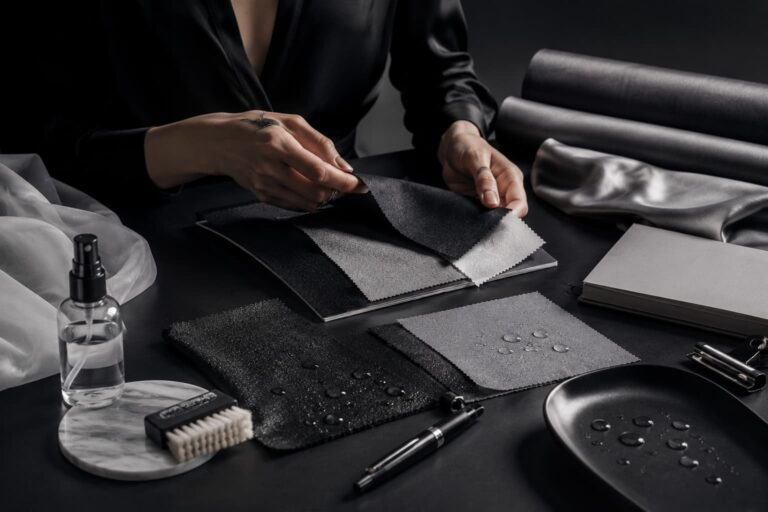
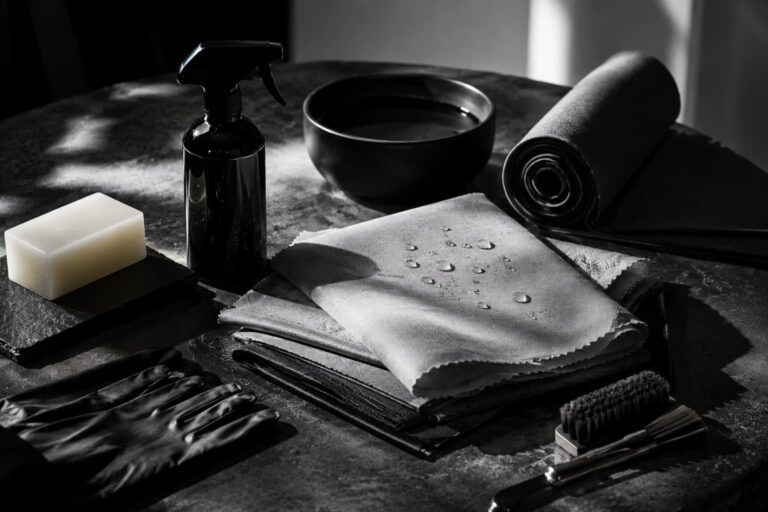
Outdoor Fabric Waterproofing needs even application and proper curing. Work in a ventilated space and follow product instructions closely. A helpful fabric spray checklist encourages light, consistent layers. Keep the product moving to avoid heavy spots. Let the fabric dry fully before use. Test water beading after curing. If water absorbs quickly, another light layer may be needed. Avoid using treated items too soon because incomplete curing can reduce protection. Patience makes the finish cleaner and more effective.
Outdoor Fabric Waterproofing requires maintenance because weather and use wear down protection. Sun exposure, washing, friction, and repeated moisture can reduce performance. A useful waterproof fabric maintenance habit includes seasonal checks. Test with a small water drop. If it beads, protection remains. If it soaks in, refresh the treatment after cleaning. Store outdoor fabric dry whenever possible. Good storage helps protection last longer. Maintenance keeps the work from disappearing after one season.
A simple system makes outdoor fabric care less confusing. Inspect, clean, test, treat, dry, and review. Those steps help protect useful pieces without overcomplicating the project. For home-focused basics, read the Waterproof Fabric at Home article. For broader DIY methods, explore the DIY Fabric Waterproofing article. For checklist-style guidance, continue with the Fabric Protection Checklist article. The Ultimate DIY Fabric Waterproofing Checklist – How to Waterproof Fabric at Home helps make outdoor protection more careful, practical, and repeatable.


Leave a comment
You must be logged in to post a comment.